



New on the blog: Students Are Using AI More Than Ever — And They Know It's a Problem
RAND's American Youth Panel just dropped one of the most important datasets of 2026: 62% of students use AI for homework, up from 48% in just 7 months. But here's what makes this study different — 67% of those same students believe AI is harming their critical thinking.
They're not oblivious. They're stuck in a system without clear guidance.
The research draws a critical line between cognitive augmentation (using AI to think harder) and cognitive offloading (using AI to skip thinking). Most students can't tell which one they're doing — and most schools haven't helped them figure it out.
Read the full breakdown: https://www.harvestkernel.com/ai-homework-paradox-rand-data/
What's your take — are students getting smarter with AI, or just faster?
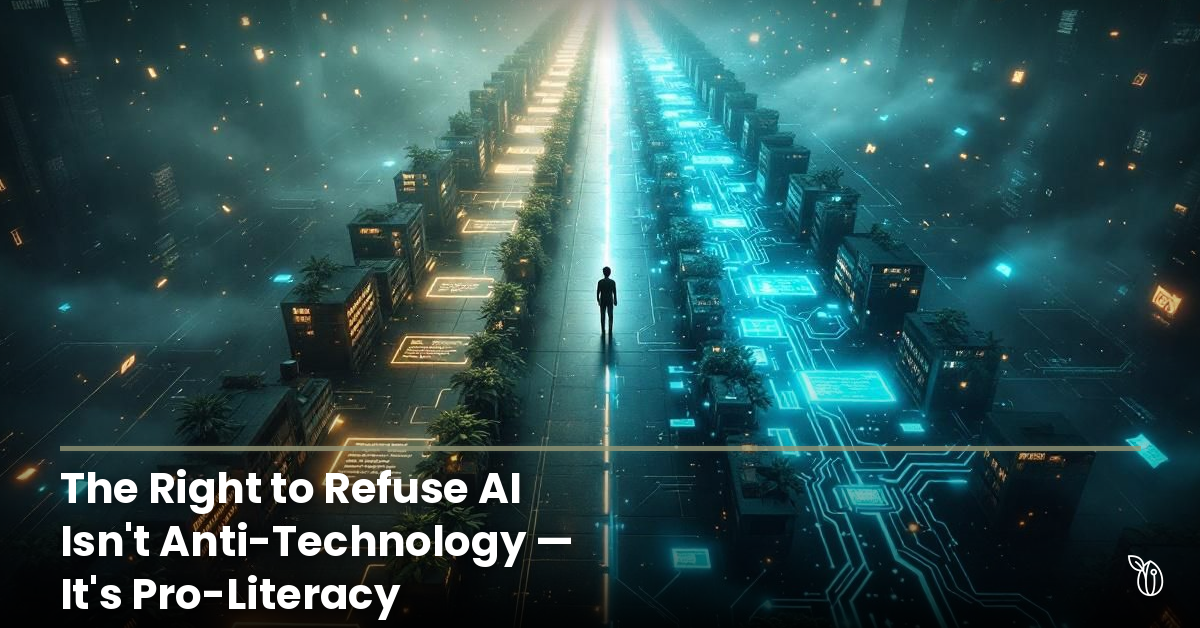
The world's largest writing education organization just voted overwhelmingly to protect the right of students and faculty to refuse generative AI in the classroom.
This isn't anti-technology. It's pro-autonomy. And the data behind it is striking: 95% of faculty surveyed want meaningful opt-out policies, while 81% say they're required to use AI-embedded tools they can't turn off.
The real question isn't "use AI" vs. "refuse AI." It's whether anyone has enough AI literacy to make that choice intentionally.
Read the full analysis: https://www.harvestkernel.com/right-to-refuse-ai-pro-literacy/
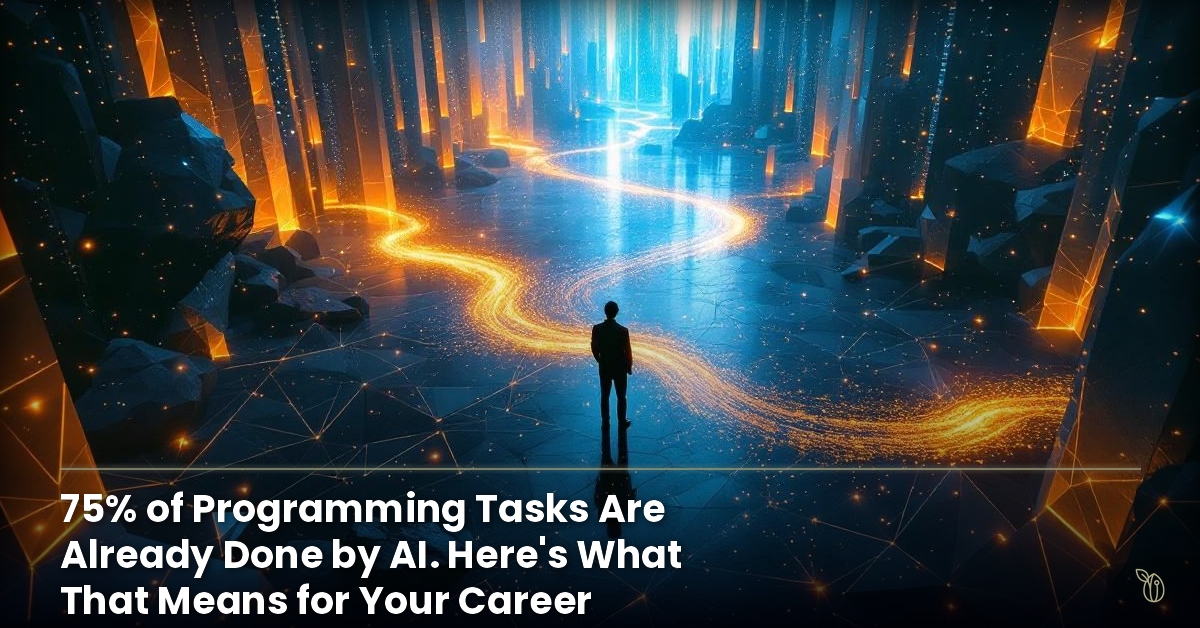
New on the blog: Anthropic just published the most detailed map yet of which jobs AI is actually performing versus which it could theoretically perform. The gap between those two numbers is your window of opportunity.
The data flips the usual automation narrative. The most exposed workers aren't factory floor — they're higher-paid, college-educated, and disproportionately female. Computer programmers at 74.5% task coverage. Customer service at 70.1%. Meanwhile, 30% of workers — cooks, mechanics, bartenders — show zero AI exposure.
But here's the real signal: augmentation still dominates over automation. The professionals building AI fluency aren't being replaced — they're becoming irreplaceable.
Read the full analysis: https://www.harvestkernel.com/ai-jobs-exposure-anthropic-data/
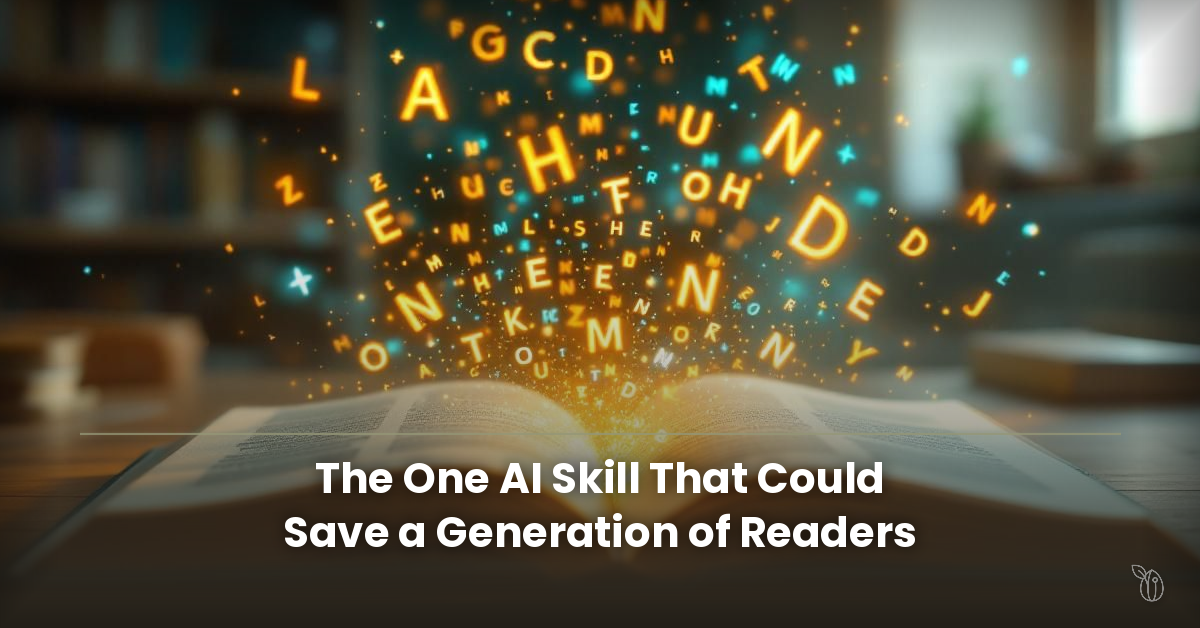
A BU cognitive neuroscientist just dropped a piece in the Boston Globe that connects two things most people aren't putting together: America's reading crisis and the flood of unproven AI tools entering classrooms.
Here's the number that hit me hardest — only 2% of purpose-built edtech tools meet the strongest federal evidence standard. Two percent. Meanwhile, the average student uses 42 digital tools a year, and reading scores are at their lowest in decades.
Dr. Ozernov-Palchik makes a point that I think applies far beyond K-12: the same pattern that created the literacy crisis — adopting ideas that sounded good without testing them — is now repeating with AI at 10x the speed.
I wrote about what I'm calling the "Evidence-First Reflex" in today's blog. It's the one question that changes how you evaluate any AI tool, whether you're in a classroom, a boardroom, or a parent-teacher conference.
Here's what I want to know from this community: Have you ever asked a vendor or your school district for independent evidence that an AI tool actually works? What happened when you did?
Dive deeper in today's blog post: The One AI Skill That Could Save a Generation of Readers → www.harvestkernel.com/ai-reading-crisis-evidence-gap/

Here's a question that changes everything about how we think about AI in education: What if AI didn't break our assessments — it just revealed that we were never really measuring learning in the first place?
A new analysis in Inside Higher Ed makes a compelling case that for decades, we've been grading outputs — essays, problem sets, research papers — as proxies for understanding. Those proxies worked when producing them required genuine effort. But when AI makes production trivial, the proxy collapses.
Arizona State University found that 45% of their course points could be completed by AI with no evidence of actual learning required. That's not a technology problem. That's a design problem that was always there.
The educators getting this right are making one powerful shift: from asking "What did you produce?" to "Can you explain why your solution works?" That single question creates evidence AI cannot fabricate.
What's one assessment in your course that you've already redesigned — or know needs redesigning — because of AI? I'm genuinely curious what's working and what's not.
Dive deeper in today's blog post: AI Didn't Break Your Assessments — It Exposed Them → https://www.harvestkernel.com/ai-exposed-assessment-crisis/
New on the Harvest Kernel blog:
52% of teens say AI in school is innovative. 52% of parents say it is unethical. New data reveals how schools can close the generational AI literacy divide.
Read the full article here: https://www.harvestkernel.com/teens-think-ai-in-school-is-innovation-parents-call-it-cheating/
What stood out to you? Drop your thoughts below.

One State College Just Went All-In on AI
New on the Harvest Kernel blog:
Indian River State College just became the first open-enrollment state college to deploy institution-wide AI. They are investing $150K per year to embed AI into Canvas, Google Docs, and admin systems for 24,000+ students. 92% of their students were already using AI before the initiative even launched.
This is not a pilot program. This is a commitment. And it raises a question every institution needs to answer: what is YOUR AI strategy?
Read the full article: https://www.harvestkernel.com/irsc-ai-strategy-higher-education/
What stood out to you? Drop your thoughts below.
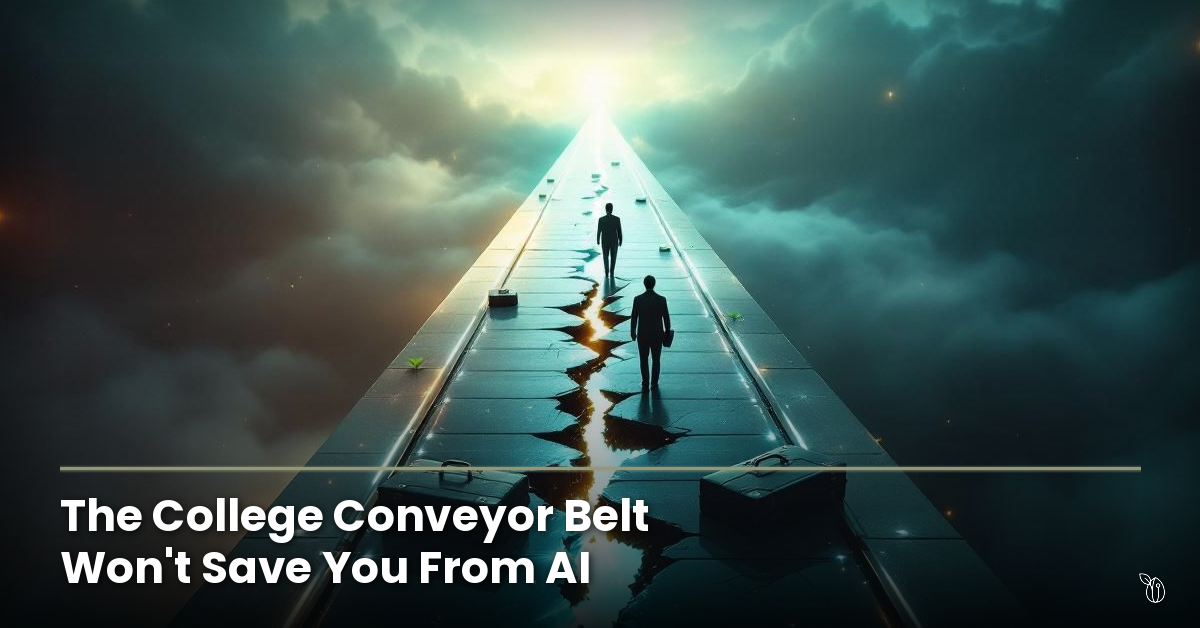
The College Conveyor Belt Won't Save You From AI
Venture capitalist Bill Gurley just dropped a career wake-up call: the workers most vulnerable to AI disruption aren't the ones who took risks — they're the ones who played it safe on the "college conveyor belt."
His advice? Passion beats credentials. Adaptability beats prestige. And becoming the most AI-aware person in your workplace is the best career insurance you can get.
This one's a must-read for anyone building their professional future in the AI age.
New on the Harvest Kernel blog:
New EdWeek Research Center data shows nearly 80% of high school students are getting AI literacy lessons. But the gap between adoption and quality reveals exactly why structured approaches matter.
Read the full article here: https://www.harvestkernel.com/ai-literacy-schools-edweek-data/
What stood out to you? Drop your thoughts below.
New EdWeek Research Center data just dropped, and the numbers are remarkable: nearly 80% of high school students are now receiving AI literacy instruction. Seventy-three percent of middle schoolers too.
But here's what caught my attention — only 8% of pre-K through 3rd graders are getting any AI literacy at all. And fewer than half of teachers have had formal AI training themselves.
The adoption is real. The quality gap is the new frontier.
I unpacked the data and introduced a concept I'm calling the "Readiness Illusion" — the dangerous gap between impressive adoption numbers and actual instructional quality. When schools check the AI literacy box without investing in teacher training or age-appropriate progression, we get compliance without fluency.
The question isn't whether schools are teaching AI anymore. It's whether they're teaching it well.
Dive deeper: https://www.harvestkernel.com/ai-literacy-schools-edweek-data/
What are you seeing in your school or district? Are AI literacy efforts substantive, or are they more checkbox compliance? I'd love to hear what the reality looks like from your seat.